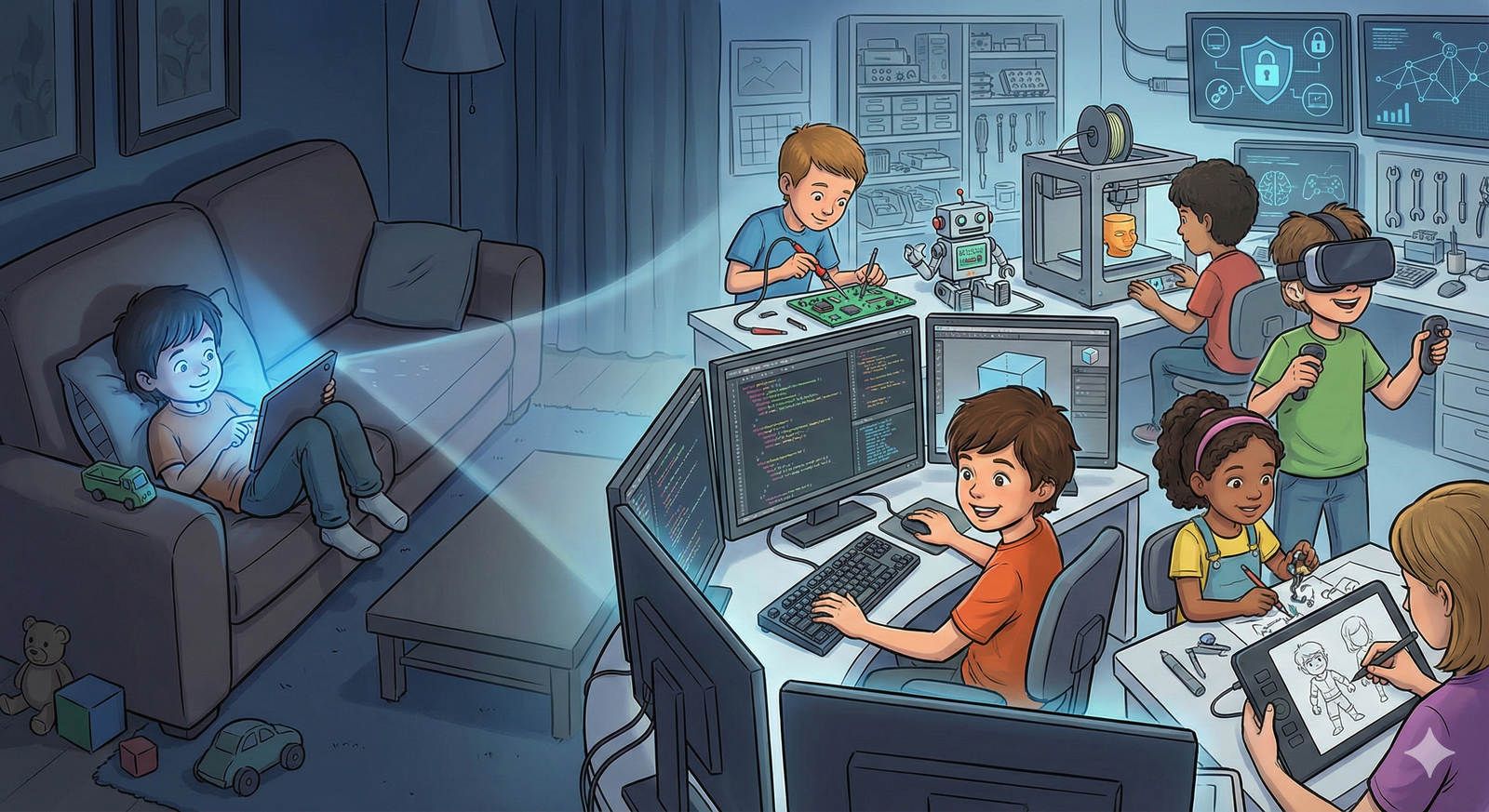
There was a time when children returned home with dusty shoes, tired legs and stories from the street. Today many children spend long hours inside, bent over a phone, moving only one finger. Swipe, watch, forget. Swipe again, laugh for two seconds, forget again. The body is in the room, but the mind is dragged from one short video to another.
Reels, TikTok and Shorts are not innocent forms of entertainment when they fill the day. They are systems built to capture attention. Every few seconds a new face, sound, joke, shock or dance appears. The brain slowly learns that ordinary life is too slow and that attention should jump constantly.
Popcorn brain
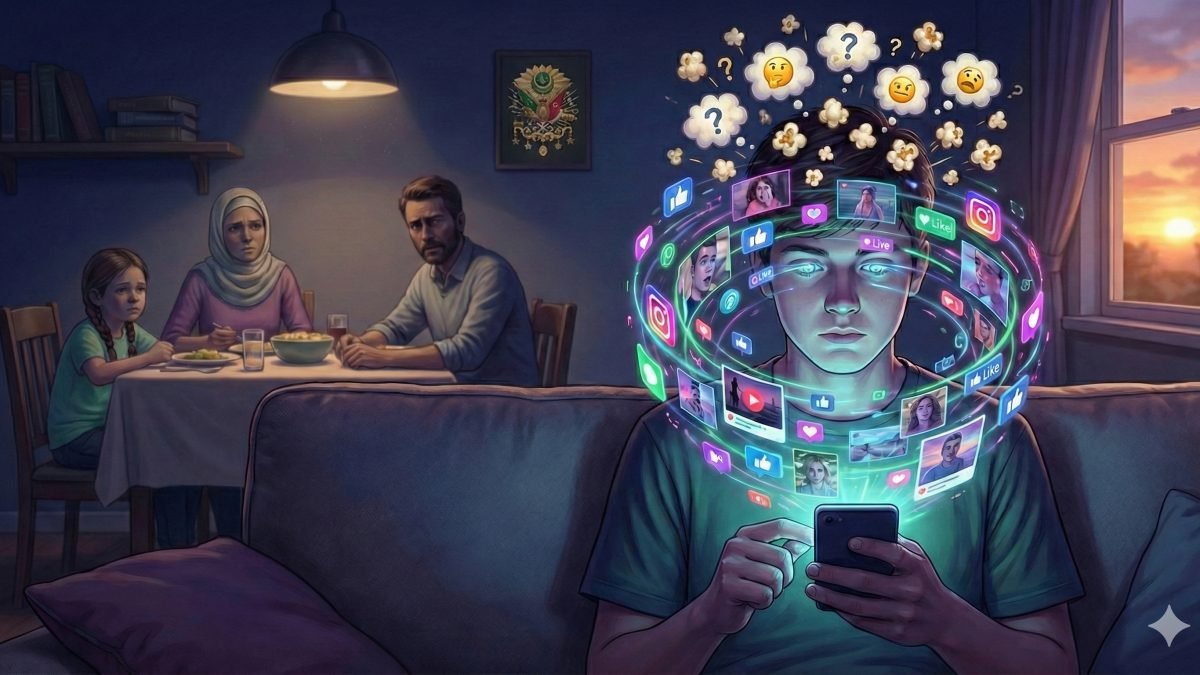
This is why people speak of "popcorn brain." Thoughts jump like corn bursting in a pan. A child trained by short videos finds a book heavy, a lesson long, a conversation boring and silence almost unbearable. The problem is not that the child is bad. The problem is that the attention system has been trained in the wrong gym.
Schoolwork, prayer, reading, craft, friendship and family conversation all require staying with one thing for a while. Short video culture weakens exactly this ability. It gives speed, but takes depth. It gives sound, but takes inner silence.
Comparison and inadequacy
These platforms also create a hidden wound through comparison. Children watch edited faces, expensive rooms, fake courage, staged jokes and lives that look perfect. Then they return to their own ordinary room and feel poor, boring or incomplete.
A child who should be discovering his own gift begins to measure himself by strangers. The screen becomes a distorted mirror. It does not show the truth of life; it shows a version prepared for views.
Anger when the phone is taken
Many parents know the scene. The phone is taken, and a child who seemed calm becomes angry, restless or aggressive. This is not always simple stubbornness. It can be a sign that the brain has become dependent on the easy reward flow of the screen.
When that flow stops, boredom appears like pain. The child does not know what to do with silence. At this point the family needs patience, consistency and a real plan, not only sudden punishment.
Ban is not enough
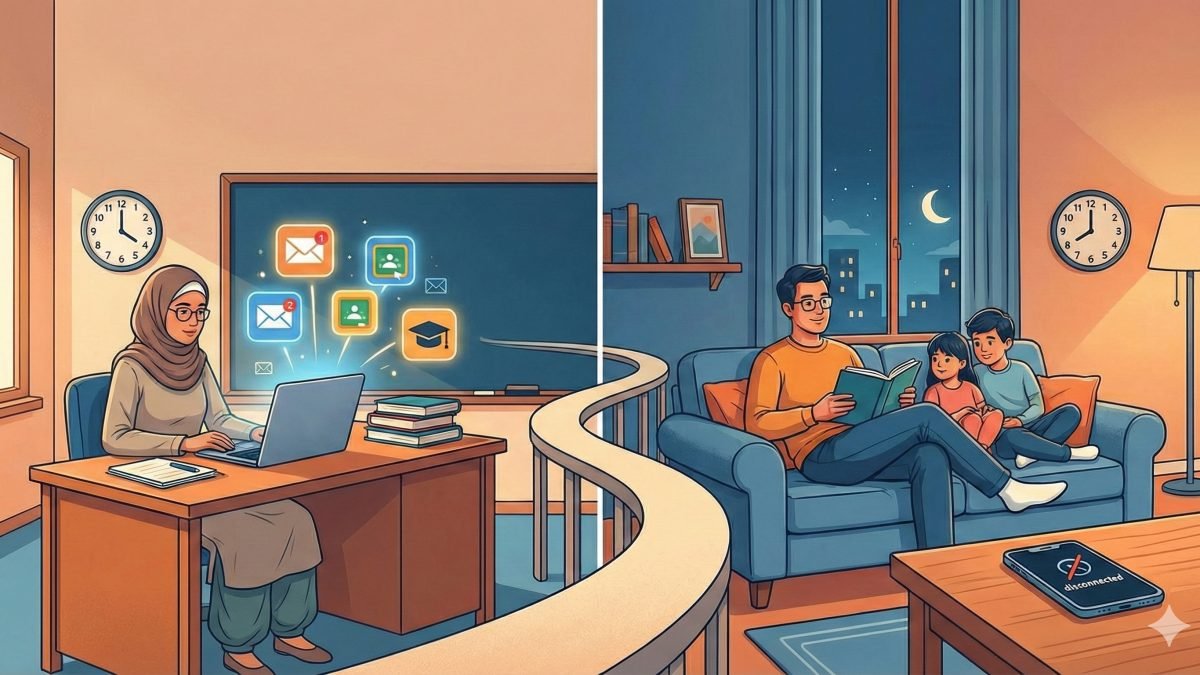
The solution is not to shout and ban everything one day, then surrender the next day. Homes need clear rules: no screens in bedrooms, no phones at the meal table, fixed times for homework, reading, movement, worship and conversation. The child should not only lose a screen; he should gain a life.
Adults must lead by example. A parent scrolling all evening cannot convincingly warn a child about screen addiction. Children believe the house more than the lecture. If we want them to look up, we must also look up.
A generation should not be hypnotized by endless swiping. We need children whose bodies move, whose minds remember, whose hearts feel and whose attention can stay. The screen must become a tool again, not the ruler of the home.