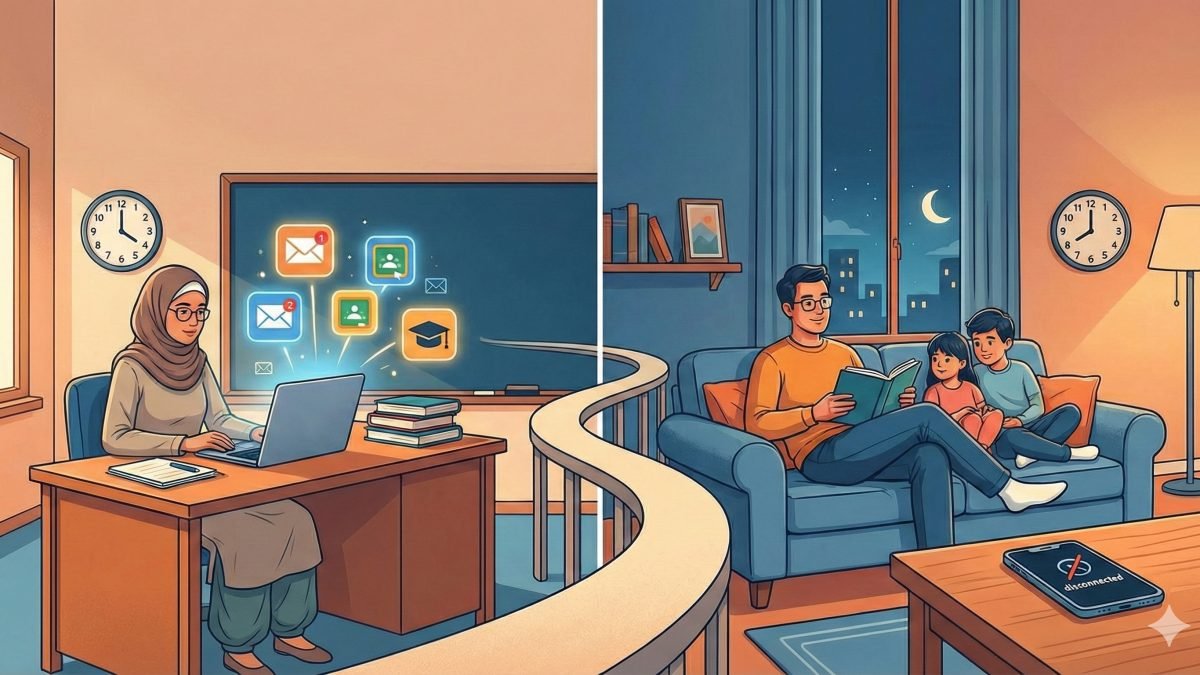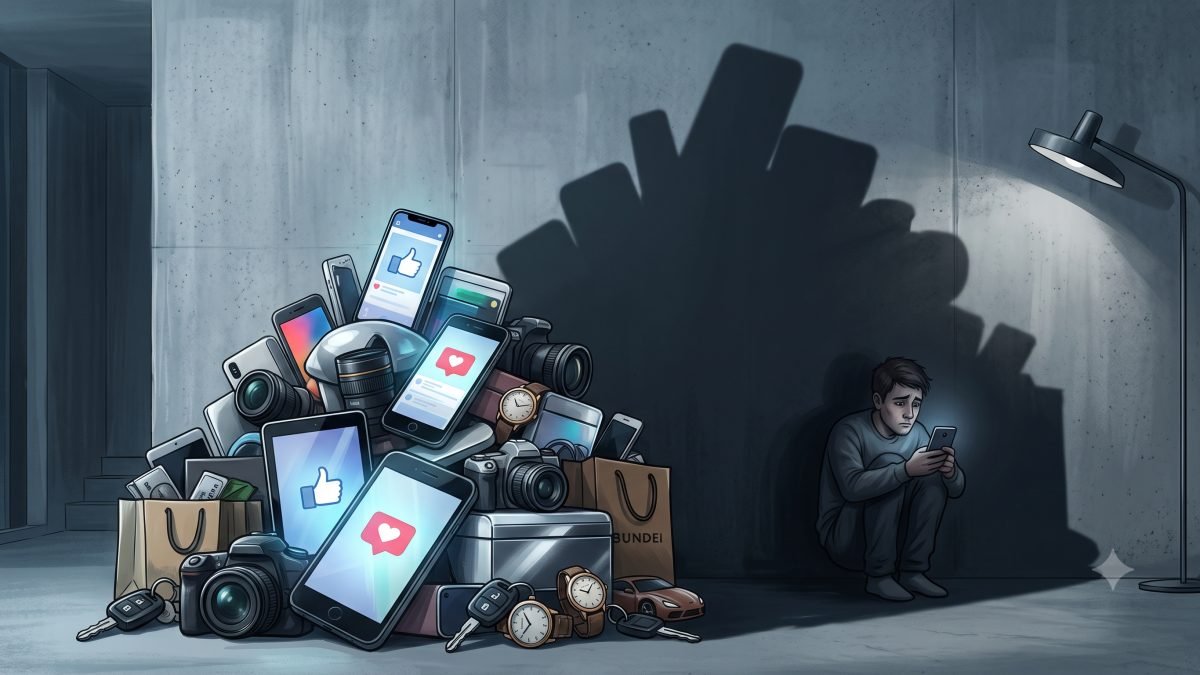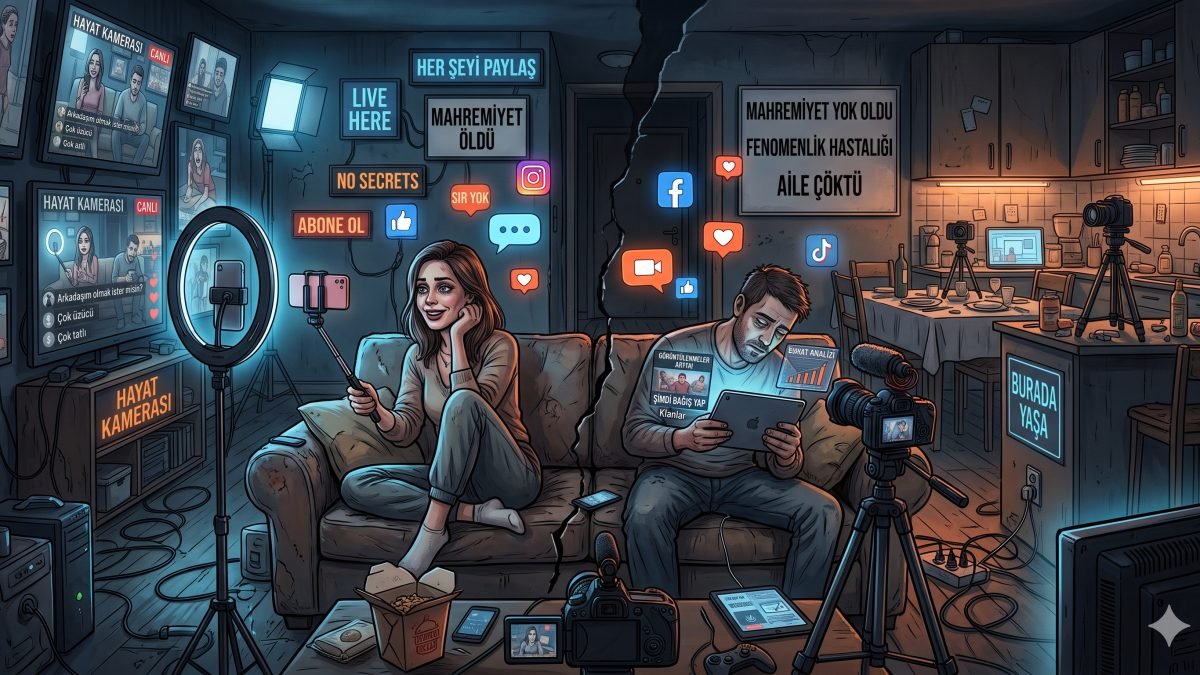
As someone who works in ICT and education, when we analyze the effects of digitalization on society, one of the most critical problems we face is the destruction of privacy. Today the internet is no longer only a network for reaching information. It has become a stage where perceptions are managed and lives are marketed. The institution that is hurt most on this stage is the family. Turning every detail of family life into a digital shop window for social media fame carries serious dangers and contradictions from pedagogical, technical and Islamic points of view.
There is a forgotten truth: a digital footprint does not disappear. Once data is uploaded to the internet, it leaves your control and settles into the permanent memory of servers. In that light, the dangers that come from family influencer culture include the following:
Digital violation of children
While parents share their own lives by their own consent, they also open the lives of children who cannot yet decide for themselves to billions of people. A child's crying, first steps and most natural moments at home are turned into "content." This is a form of cyber abuse that directly threatens the child's future digital identity and psychological development.
The lie of perfection and alienation
Family profiles shown on social media are filtered and staged moments. This creates psychological pressure in followers ("Why is my family not like that?") and makes the producing family alien to its own reality. Peace at home is replaced by "performance in front of the camera."
Slavery to the algorithm
Social media algorithms always ask for something more "extreme" or more "private" to get more engagement. Shares that start innocent slowly stretch the limits until even the most private rooms of the home become a broadcast studio.
Disrespect for the sake of ratings
One of the shortest ways to gain "engagement" (likes, views and comments) on social platforms is, sadly, to exploit emotions. Recently we have seen painful examples of this: husband-wife or daughter-in-law and mother-in-law relationships turned into material for cheap pranks. Respect and affection inside the family are replaced by cheap ratings gained by hiding a camera and scaring, angering or humiliating a spouse or an elder. Privacy violations online are not always cyberattacks from outside. Often they are done by family members themselves, with recordings made without consent. Recording a spouse's most vulnerable moment of fear, anger or being caught unprepared, then serving it to millions, is clear digital violence and exposure. The digital world forgets nothing. Those humiliating videos shared today for a few likes will remain as a digital footprint and tomorrow may stand before that family's children as an indelible document of shame.
Islam: the home as a shelter
Islam accepts the family and the home as a shelter. Family relations, how spouses treat each other and home life are inviolable. Islam defines privacy not only as covering the body, but also as covering and protecting life, secrets and the household. Almighty Allah (swt) makes clear that homes are private spaces and that this space must not be crossed without permission:
"O you who believe! Do not enter houses other than your own until you have asked permission and greeted those in them. That is better for you, so that you may take heed." (Surah An-Nur, 27)
Just as entering someone else's house without permission is forbidden physically, presenting the inside of the home, family life or the most private moments at the table to millions of "strangers" through a camera is completely against the spirit of this verse. The home is not a place of show. It is a place of calm and privacy.
Almighty Allah expresses the bond and privacy between spouses with a powerful metaphor in the Quran:
"...They (women) are a garment for you, and you are a garment for them..." (Surah Al-Baqarah, 187)
The purpose of a garment is to protect the body, cover faults and give dignity. Yet today those who make heavy jokes about their spouse and expose their weaknesses are not being a "garment" for each other. They tear each other's cover and disgrace the privacy of the household before the world.
Scaring a spouse or a family elder only to raise view counts does not fit Islamic ethics. The Prophet (peace be upon him) gave a clear warning:
"It is not lawful for a Muslim to frighten another Muslim." (Abu Dawud, Adab, 85)
Filming conflicts between a daughter-in-law and mother-in-law, or between spouses, whether staged or real, and making them a subject of mockery violates this clear command of the Quran:
"O you who believe! Let not a people ridicule another people..." (Surah Al-Hujurat, 11)
A mindset that willingly exposes its own family also destroys, with its own hands, the ethics of covering mentioned in the hadith: "...Whoever covers the fault of a Muslim, Allah will cover his fault on the Day of Judgment." (Bukhari, Mazalim, 3)
A thin line
As an educator and ICT specialist, this must be underlined: there is a thin line between using technology and becoming a toy of technology and algorithms. Family relationships are not an entertainment tool to be sacrificed for click counts. They are a sacred trust that must be protected with love, respect and the ethics of "covering."
May Allah (swt) protect our homes and us from every kind of evil. Amen.