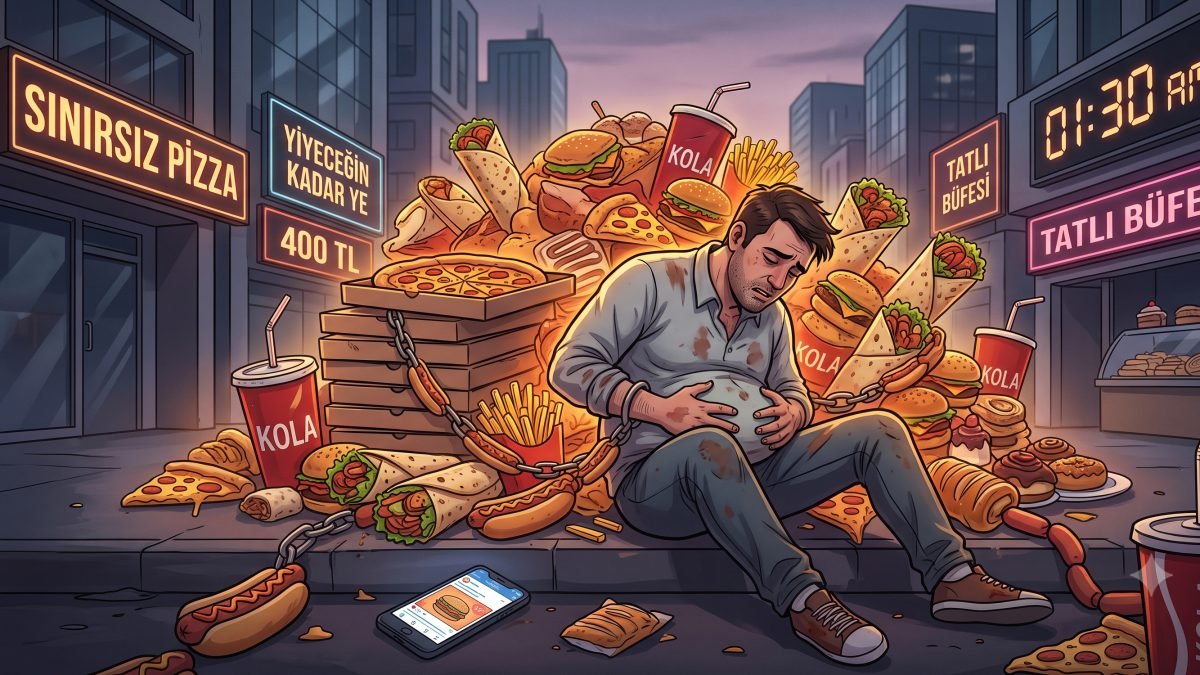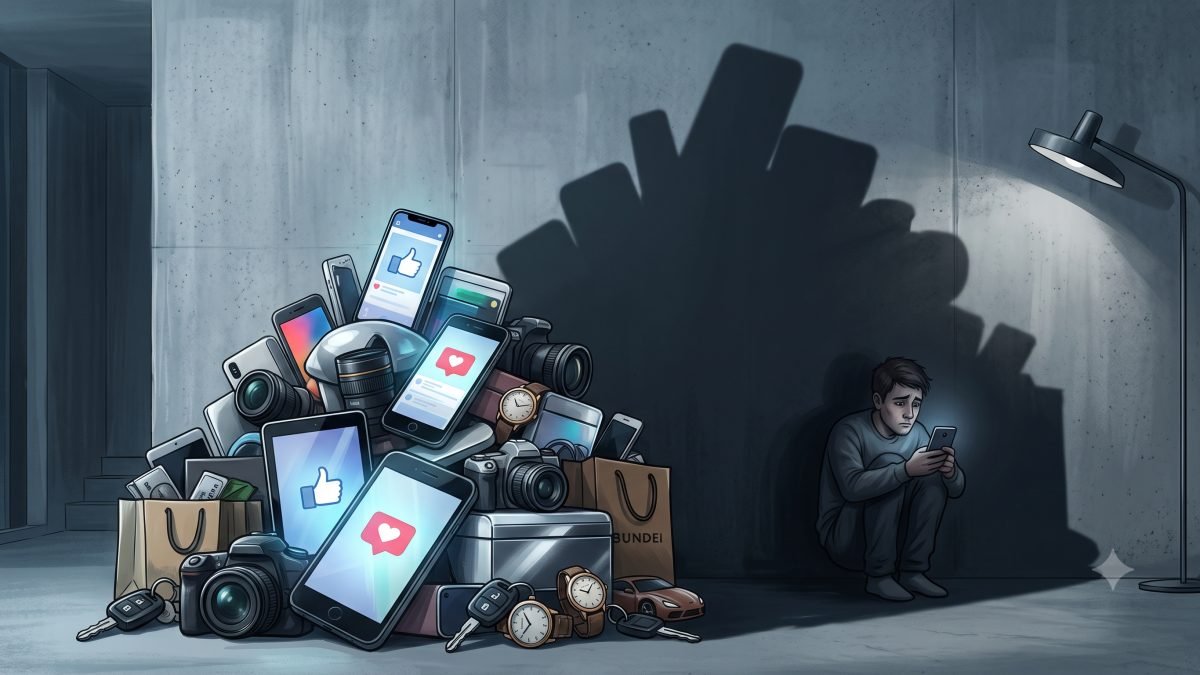
Today, scrolling social media feels like walking through a huge noisy marketplace that never ends. Every time we touch the screen the scene is the same: "You must buy this vacuum," "Here is the coffee machine that will change your life," "Look what arrived from the courier today..."
While we are in the workshop with young people, thinking how to read sensors more carefully, how to clean bugs from our code, or how to solve a real problem, outside a virtual world is racing ahead where every user turns into a voluntary advertising board. In our traditional culture we would simply call this "showing everything" rudeness. It is not a small hobby or a short fashion. Let us look at the background. As an ICT teacher, I will start from the software view.
1. From a software view: the perfect trap of algorithms
As an ICT specialist looking at the backstage, I can see clearly that the main goal of social platforms is not socialization. Their core aim is to keep you on that screen as long as possible and process your data.
Attention commerce: The software of the autonomous robots we design in the workshop works to keep the robot on the line or target we set. The huge algorithms of social media work to keep human attention on the screen. These systems do not care about the moral side of a video, its benefit to society, or its quality.
Volunteer marketing: The person who holds even an ordinary cleaning cloth to the camera and praises it thinks they are acting freely, but they have become a perfect gear of the system. The algorithm has turned that person into a free content producer who pushes others to buy. The user thinks they are only sharing. What the system is really selling is the user.
2. From the brain: why can we not stop?
When we add a bit of brain science, we understand better why this show-off cycle creates such strong addiction. Our brain works with a reward hormone called dopamine.
Uncertainty and expectation: The notification system on social media works for the brain like a lottery. Which video will get many views, how many likes will come from whom, is not known in advance. The brain stays alert to catch that uncertain reward.
Fake satisfaction: That uncertainty makes people show even the most useless object to the camera with the hope "maybe this time it goes viral." Every notification sound gives the brain a small dopamine hit. As the brain gets that virtual applause, it feels a fake happiness, and the loop continues until the person is drained at the screen.
3. Psychology: the "I am what I own" illusion and the search for approval
Under the rush to praise and display things on camera there are deeper psychological gaps.
Identity crisis: Today people are sadly taught that they will be valued not by what they produce, what character they have, or what they add to others, but by what they own and how many people they can show it to. That latest gadget held to the screen is not a need. It is a desperate shout: "I am here too, I have money too, I belong to this status too."
Living for others: A person who lives life to show it to others forgets to taste their own moment. A coffee, house cleaning, or a courier box is no longer for inner peace or a real need. It is staged so others see and approve. In the end this pushes the person into deep loneliness and burnout.
4. Sociology: the bankruptcy of privacy and the end of production
If in a society consumption and show become more valuable than engineering, art or scientific production, there is a serious cultural collapse.
Constant feeling of lack (relative deprivation): This endless rain of ads and show creates a fake sense of lack in millions of young people. The showcase where everyone seems to eat the best and wear the finest makes viewers feel "my life is ordinary, I am incomplete," and that feeds social unrest.
Normalization of shame: Our elders once had a thin rule of modesty: what the poor long for is not eaten or shown in public. Today displaying every material thing is whitewashed as "I am inspiring others." Privacy borders fall. Rudeness becomes the norm.
The swamp of consumption: The moment we worry about "what is this week's fashion product" instead of thinking how technology could solve a village irrigation problem, we choke innovative and productive thought with our own hands.
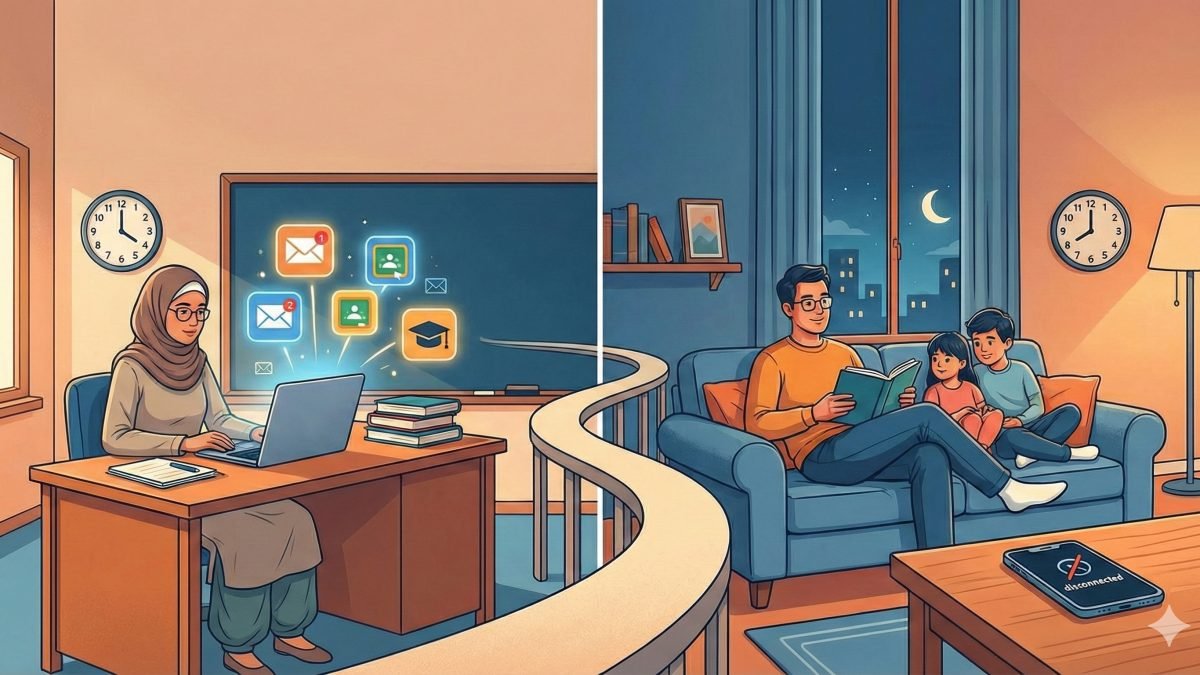
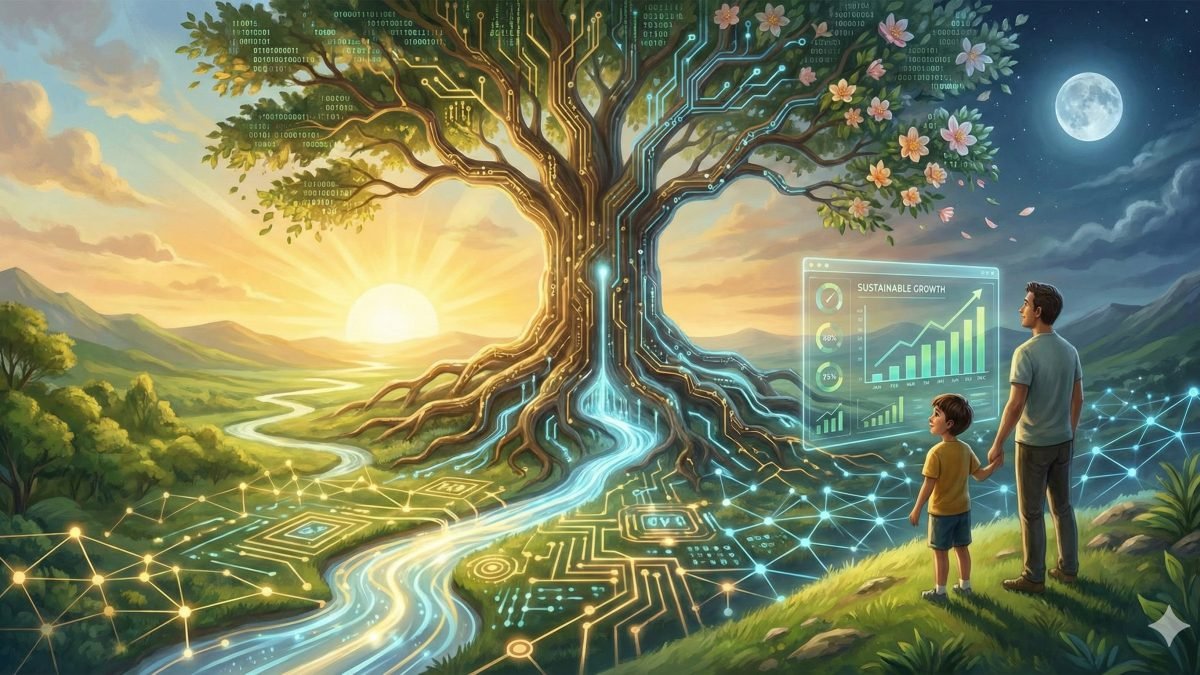
The only way out of this spiral of show, fake approval and over-consumption is to rebuild digital balance in our lives. We must take technology out of the center as a "shop window" and return it to the role of a useful tool.
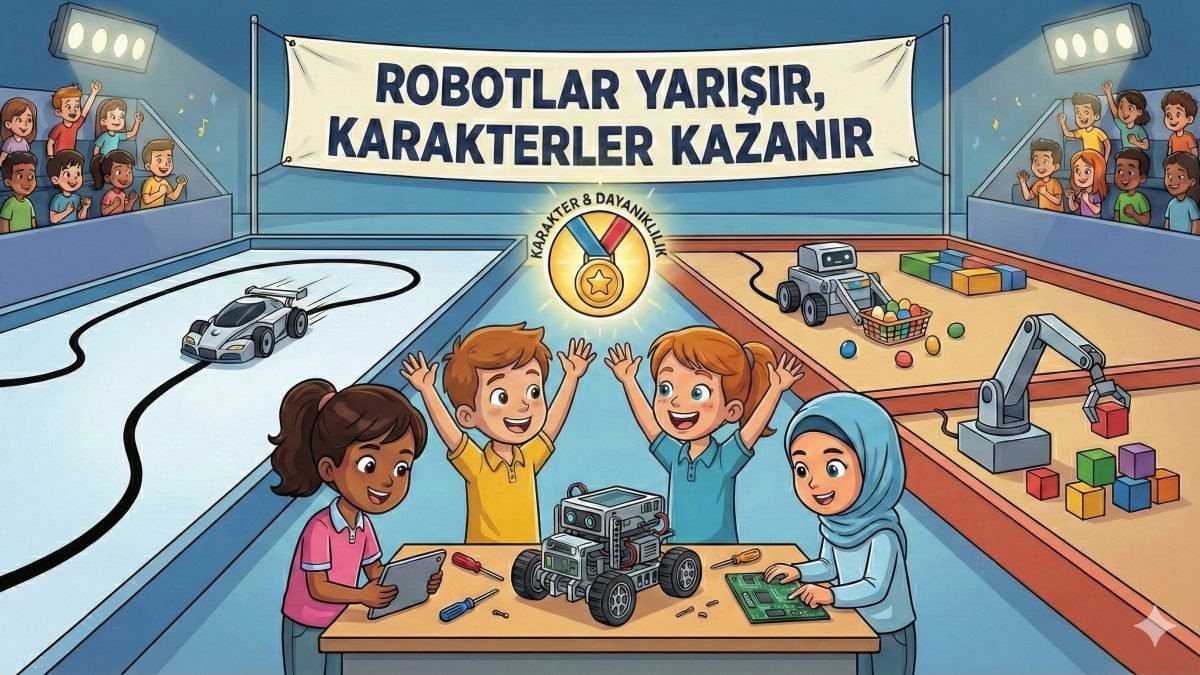
We must stop being crowds that only consume, display and wait for virtual applause. The greatest aim of educators and people who love technology is to raise generations that use their minds, build systems that work in the real world, and exist through what they produce, not what they own.
Because believe me: the future of a country will not be decided by which brand of vacuum we show off. It will be decided by young minds who understand how those motors work, write the code, and design something better.