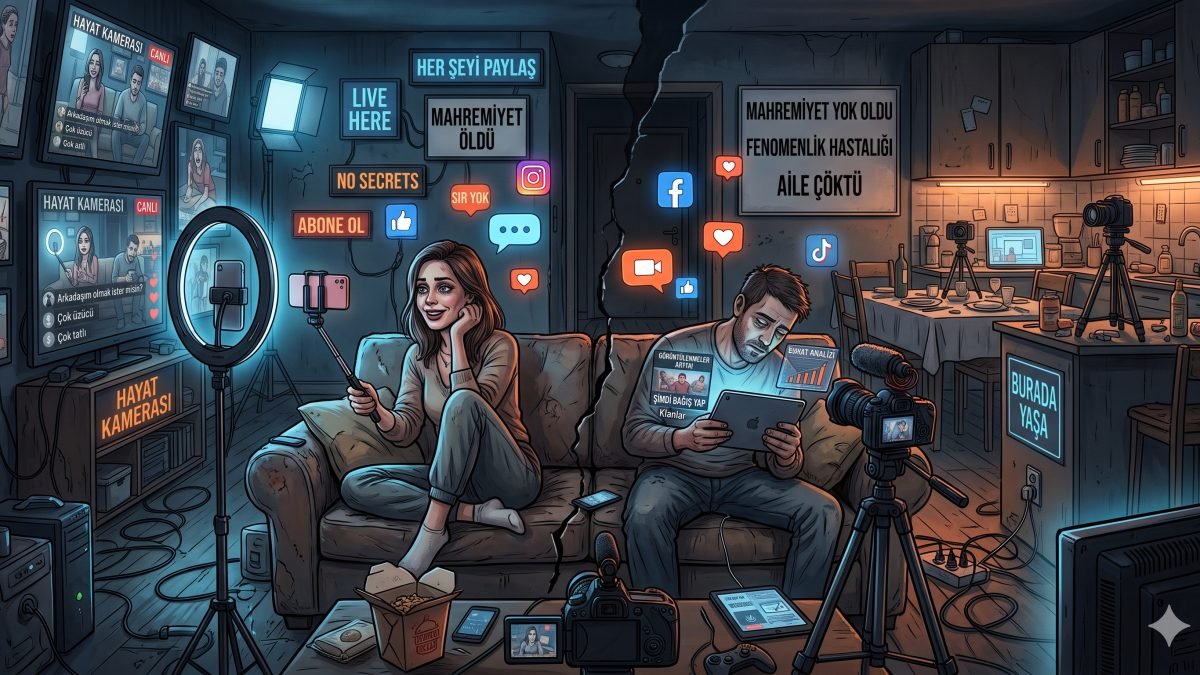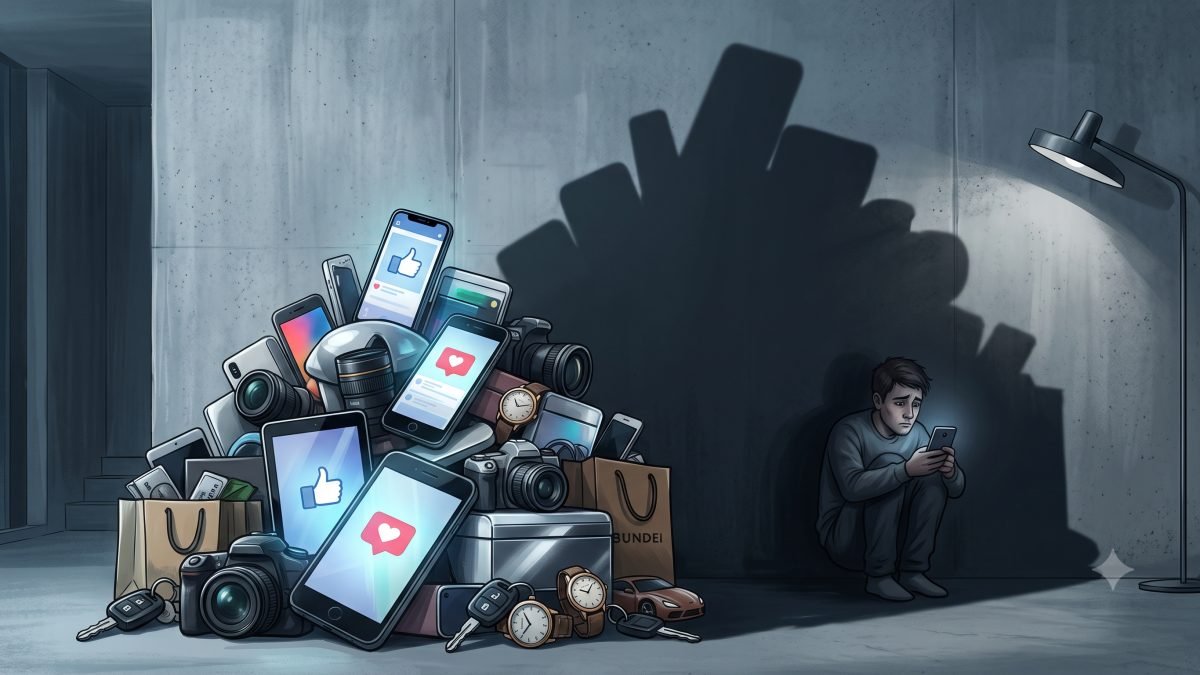
When we say "information technologies," many adults immediately think of games, addiction, wasted time and children who cannot lift their eyes from a screen. This fear has a real side, but it is not the whole picture. Technology is not only a place where a child gets lost. If it is used with purpose, discipline and good intention, it becomes a workshop where the mind learns to produce.
The main question is not whether a child uses a computer, tablet or phone. The question is whether that child is only a passenger in a system designed by others, or whether he slowly learns to understand the system, question it and build something useful with it. There is a huge difference between touching a screen and mastering technology.
The algorithm is the language of order
An algorithm is not a dry word that belongs only to computer books. It means putting steps in order to reach a result. In fact, the universe itself speaks to us with order. Night follows day, seeds grow by stages, a machine works when every part does its duty. Coding teaches a child to see this order with open eyes.
When a student writes a program, he learns cause and effect in a concrete way. If the condition is wrong, the result changes. If a command is missing, the system stops. The computer does not flatter him, does not guess his intention, and does not accept carelessness. It returns what was written. This is a serious education in responsibility.
A tool like a knife
Technology is like a knife. In one hand it can cut bread and feed a family. In another hand it can wound. Therefore the problem is not the tool alone, but the intention, knowledge and discipline of the person using it. A phone may waste a whole evening, but the same phone can teach a language, record a lesson, control a robot or help someone in need.
That is why our language with children must not be only "stay away from the screen." We must also say, "Come and learn what is behind this screen." A child who understands how applications are written, how data is stored and how machines receive commands is less likely to be hypnotized by the shiny surface.
Useful knowledge
Our Prophet, peace be upon him, taught that the best of people are those most useful to people. This measure should guide technology education as well. Coding is not valuable only because it may bring a job. It is valuable when it becomes a means to serve: a small program for a school, a design for a disabled person, a secure system, a helpful web page, a robot that solves a real problem.
In this sense, the computer lab is not a game room. It is a place where patience, attention, clean thinking and service can be taught. Every error message is a lesson in humility. Every working project is a lesson that effort can turn an idea into reality.
Patience instead of instant pleasure
The screen culture gives quick rewards. Swipe, win, watch, laugh, pass. Coding is different. It asks the student to read, try, fail, search, correct and try again. At first this may feel difficult for a child used to instant entertainment. But exactly there lies its value.
A generation that cannot wait cannot build. A generation that gives up at the first error cannot carry the future. Technology education should train young people not only to use devices, but to endure the discipline needed to produce with them.
We should not raise children who are slaves of the screen, living by notifications and games. We should raise young people who master technology, use it for good, and know that the real honor is not in owning the newest device, but in producing benefit for people.